Buying a used car from a private seller or even a dealership lot is one of the few big purchases most people make without any professional inspection at all. You would not buy a house without one. A used car, often the second biggest purchase in a household budget, usually gets nothing more than a test drive and a look under the hood. A pre-purchase inspection closes that gap, and it is one of the most valuable thirty minutes you can spend before signing anything.
Why a test drive alone is not enough
A test drive tells you how the car feels. It does not tell you what is hiding. Rust forming behind a fender liner, a slow coolant leak that has not shown up on the driveway yet, a transmission that shifts fine today but is on borrowed time, none of that shows up in a fifteen minute loop around the block. Sellers are not always hiding anything intentionally either. Plenty of people selling a car genuinely do not know about a developing issue themselves.
The engine and drivetrain check
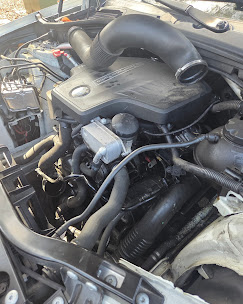
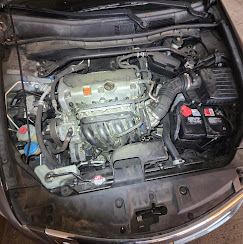
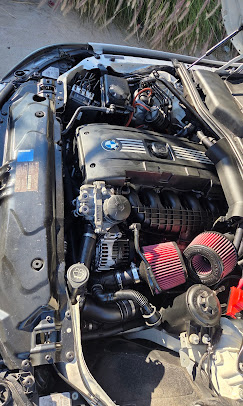
This is where a mobile mechanic starts. We pull codes with a scan tool even if no warning light is on, because some codes get stored and cleared without ever triggering the dash light, and a seller (or a dealer prepping the car for sale) may have cleared codes right before you arrived. We check oil condition and level, look for any signs of a head gasket issue like milky oil or coolant intrusion, inspect belts and hoses for cracking or looseness, and listen to the engine idle and rev for anything that sounds off, like a lifter tick or an exhaust leak.
For the transmission, we check fluid color and smell if it is accessible, feel for hard or delayed shifts during a test drive, and note anything that hesitates or slips under load.
Underneath the car
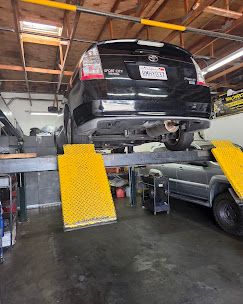
This is the part most buyers never see. We put the car on a lift or get underneath with a light and look at the frame and subframe for rust, especially in a state like Iowa where road salt takes a real toll over the years. We check for fluid leaks at the engine, transmission, differential, and axles. We inspect suspension components, control arms, bushings, and struts for wear or damage. We look at the exhaust system for rust-through, which is common enough on Iowa vehicles to be worth checking every time.
Brakes, tires, and suspension
Brake pad thickness and rotor condition tell us how much life is left before the next brake job is due, which is a real number you can use in price negotiation. Tire tread depth and wear pattern tell a story too. Uneven wear across a tire often points to an alignment issue or a worn suspension component that a seller may not have disclosed, whether or not they knew about it themselves.
Electrical and interior systems
We test every power feature: windows, locks, seats, mirrors, and the infotainment system if the car has one. We check the battery and charging system, since a weak battery on a car you are about to buy is a small thing to fix but worth knowing about before you negotiate price. We also check the HVAC system, heat and air conditioning both, since that is an expensive repair to discover is broken after the sale.
The frame and accident history check
Beyond looking for obvious body damage, we check panel gaps and paint consistency, which can reveal a car that has had bodywork done after an accident, even a well repaired one. Overspray in the wheel wells or door jambs, mismatched paint texture, or panels that do not line up quite right are all signs worth flagging, especially when paired with a vehicle history report.
What you get at the end
After the inspection, you get a clear, honest rundown: what is fine, what needs attention soon, and what is a genuine red flag. Sometimes that means "this car is solid, buy it with confidence." Sometimes it means "this is a fine car but budget for a timing belt in the next six months." And sometimes it means walking away entirely, which is exactly the outcome an inspection is supposed to make possible before you are already committed.
Why mobile makes this easier
Because we come to you, the inspection can happen right where the car is, whether that is a seller's driveway, a dealer lot, or a parking lot you agreed to meet at. There is no need to convince a private seller to drive the car to a shop across town, which is often the sticking point that makes buyers skip an inspection altogether.
If you are looking at a used vehicle anywhere in the Des Moines metro, from Ankeny to West Des Moines to Waukee, call (515) 326-5563 before you sign anything. A flat, predictable inspection fee is a lot cheaper than an expensive surprise three weeks after you already own the car.